How to Plan a Sub-Zero Wolf Kitchen from the Start
Introduction
A Sub-Zero Wolf kitchen performs best when appliance decisions are made early in the design process. Unlike standard kitchens where appliances are added late, high-performance kitchens require coordination between layout planning, cabinetry, ventilation, and electrical provisions from the outset.
This guide outlines the key considerations designers and homeowners should address at the planning stage to ensure a Sub-Zero Wolf kitchen functions as intended.
- Start with How the Kitchen Will Be Used
Before selecting appliances, clarify usage patterns:
- Daily cooking vs occasional use
- Multi-dish cooking vs simple meals
- Entertaining frequency
- Open or enclosed kitchen layout
These factors influence appliance selection, placement, and ventilation requirements.
- Plan Refrigeration and Cooking Together
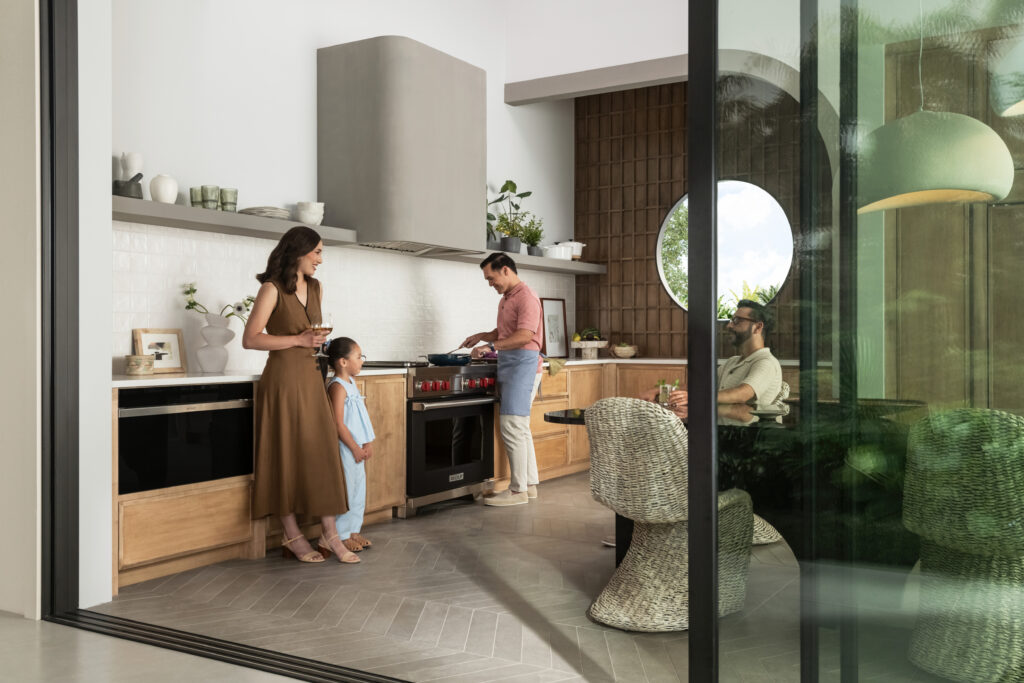
Refrigeration and cooking should not be treated as separate decisions.
Early planning should consider:
- Distance between cold storage and prep zones
- Logical movement from storage to cooking
- Avoiding unnecessary exposure of ingredients to ambient heat
Aligning these elements early prevents workflow inefficiencies later.
- Define Appliance Zones Clearly
A well-planned kitchen separates functions into zones:
- Storage and refrigeration
- Preparation
- Cooking
- Reheating or holding
This zoning reduces congestion and supports smoother workflows during extended cooking sessions.
- Account for Ventilation at the Layout Stage
Ventilation should be planned alongside cooking appliances, not after.
Early considerations include:
- Type of cooking surface
- Kitchen size and ceiling height
- Open-plan vs enclosed layouts
- Ducting paths and clearances
Late ventilation decisions often compromise performance and aesthetics.
- Decide on Installation Style Early
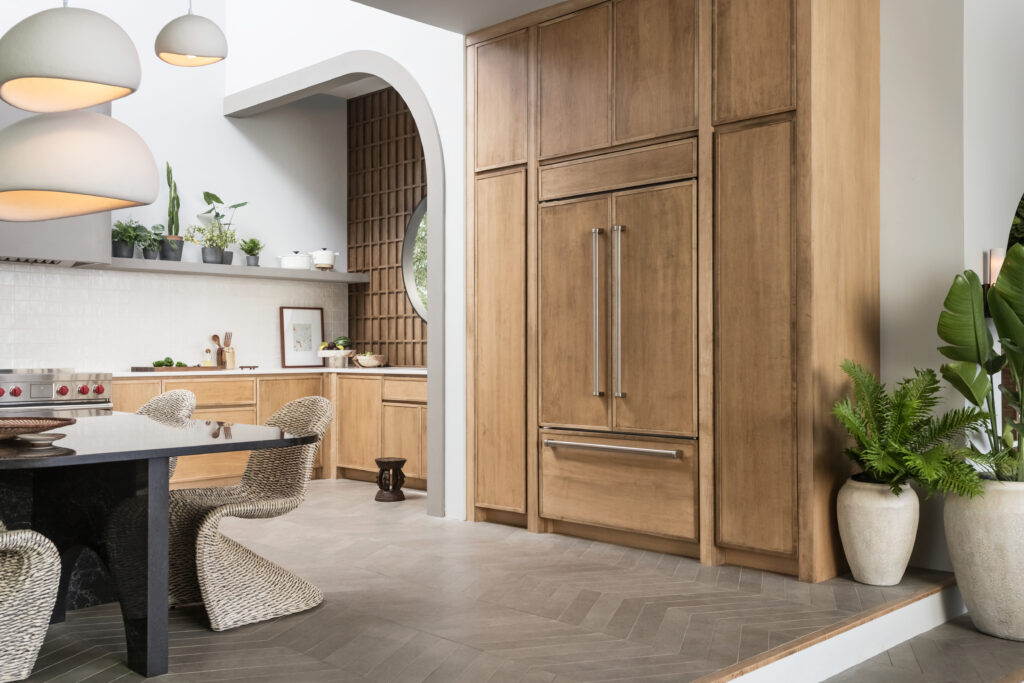
Sub-Zero and Wolf appliances support both standard and flush installation.
This decision affects:
- Cabinet depth
- Panel alignment
- Reveal tolerances
- Overall visual language
Making this choice early avoids rework during cabinetry fabrication.
- Coordinate with All Stakeholders
Successful planning requires coordination between:
- Architects
- Interior designers
- Kitchen manufacturers
- Electrical consultants
Early alignment reduces site-level changes and ensures performance goals are met.
Conclusion
A Sub-Zero Wolf kitchen should be planned, not assembled. Early design decisions around usage, layout, ventilation, and installation style determine how well the kitchen performs over time. Treating appliances as part of the architectural plan ensures the final result delivers both functionality and longevity.