Mapping the Ingredient Journey in a Sub-Zero Wolf Kitchen
Introduction
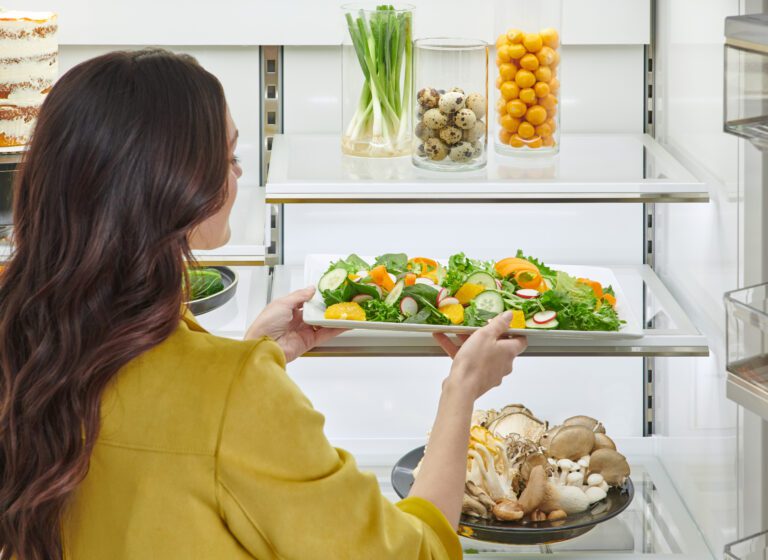
Every meal begins long before cooking starts. The journey of ingredients, from grocery storage to preparation, cooking, serving, and sometimes reheating. Shapes how efficiently a kitchen functions. When this journey is not considered during design, kitchens often feel disorganized despite having premium appliances.
A Sub-Zero Wolf kitchen can be planned around the natural movement of ingredients, ensuring that each stage of the cooking process happens smoothly and without unnecessary interruptions.
1. Arrival: Organising Ingredients After Shopping
The first step in the ingredient journey begins when groceries enter the kitchen.
Efficient kitchens provide:
• Clear access to refrigeration for fresh ingredients
• Nearby space for sorting produce and packaged items
• Logical separation between cold and dry storage
When storage areas are difficult to reach or scattered across the kitchen, organising groceries becomes inefficient and time-consuming.
2. Storage: Protecting Ingredients Until Use
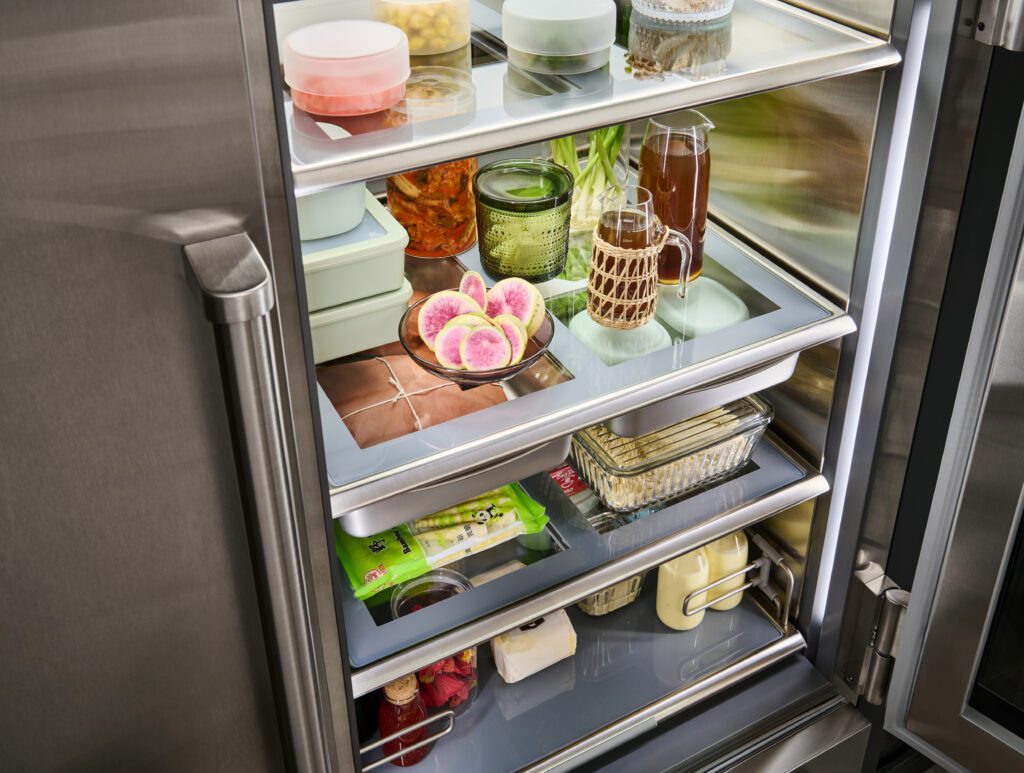
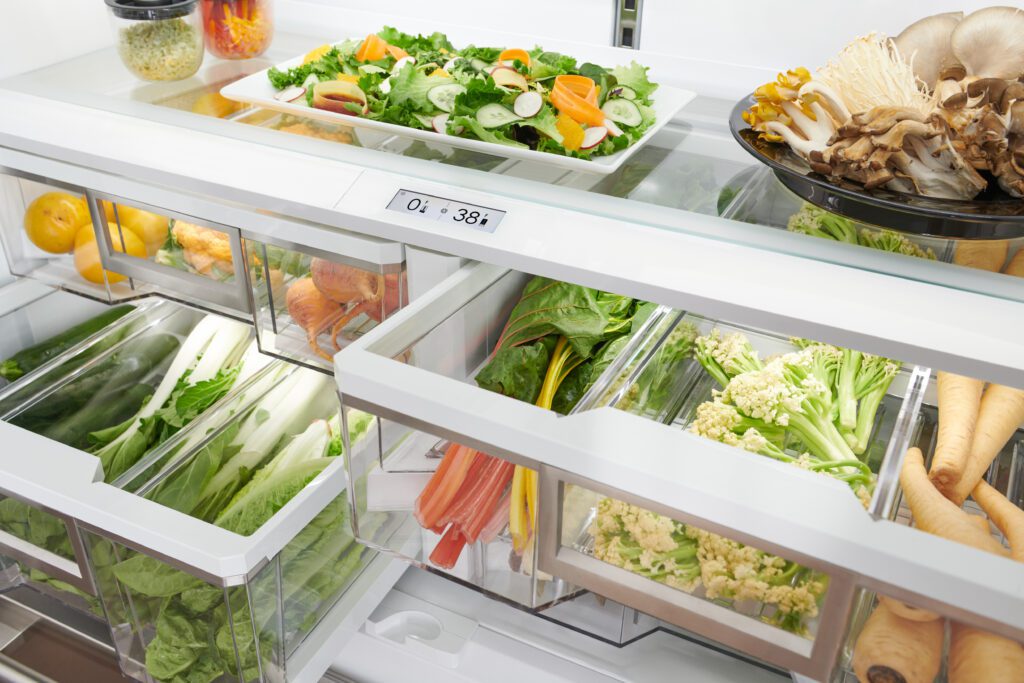
After groceries are sorted, ingredients move into storage zones.
Typical storage categories include:
• Fresh produce and dairy
• Proteins and prepared foods
• Dry ingredients such as grains, pulses, and spices
Designing storage around ingredient type helps maintain quality while also making ingredients easier to locate during cooking.
3. Preparation: The Transition from Storage to Cooking
Preparation is the stage where ingredients are cleaned, cut, portioned, and arranged before cooking.
A well-planned kitchen ensures:
• Prep surfaces are located between refrigeration and cooking areas
• Ingredients can move quickly from storage to preparation
• Sufficient counter space is available for multiple dishes
When preparation zones are poorly positioned, cooks must move repeatedly across the kitchen, disrupting workflow.

4. Cooking: Transforming Ingredients Efficiently
Once ingredients are prepared, they move to the cooking stage.
Cooking zones should allow:
• Simultaneous preparation of multiple dishes
• Easy access to ingredients during cooking
• Clear pathways between prep and heat
This stage often involves the highest activity in the kitchen, making layout planning especially important.
5. Serving and Holding
After cooking, dishes move to serving areas or temporary holding zones.
Good kitchen design considers:
• Convenient plating surfaces
• Short movement paths between cooking and dining spaces
• Space for finishing touches before serving
These elements support smooth transitions from cooking to dining.

6. Reheating and Storage of Leftovers
In many households, prepared food is stored and reheated later.
This requires:
• Logical placement between refrigeration and cooking appliances
• Easy access for daily use
• Storage systems that keep prepared dishes organised
Planning for reheating ensures the ingredient journey continues efficiently even after the initial meal.
Conclusion
Designing a kitchen around the journey of ingredients, from grocery storage to final serving. Creates a more intuitive and efficient cooking environment. A Sub-Zero Wolf kitchen supports this process by aligning storage, preparation, and cooking zones so ingredients move naturally through the space.
When kitchens are planned around how food travels through them, daily cooking becomes smoother, more organised, and more enjoyable.