Introduction
Ventilation is one of the most critical yet frequently underestimated elements in luxury kitchen design. In Indian homes, where high-heat cooking, frying, and spice tempering are common, ventilation must be planned with precision. In a Sub-Zero Wolf kitchen, ventilation is treated as an integrated performance requirement rather than an aesthetic afterthought.
This guide outlines key considerations for planning ventilation systems that support high-intensity cooking environments.
- Start with Cooking Intensity
Ventilation planning should begin by assessing how the kitchen will be used.
Important questions include:
• How frequently is high-heat cooking performed?
• Is frying or tempering a daily practice?
• Will multiple burners operate simultaneously?
The answers determine airflow requirements and hood type selection.
- Select the Appropriate Hood Configuration
Ventilation type should align with the kitchen layout.
Common configurations include:
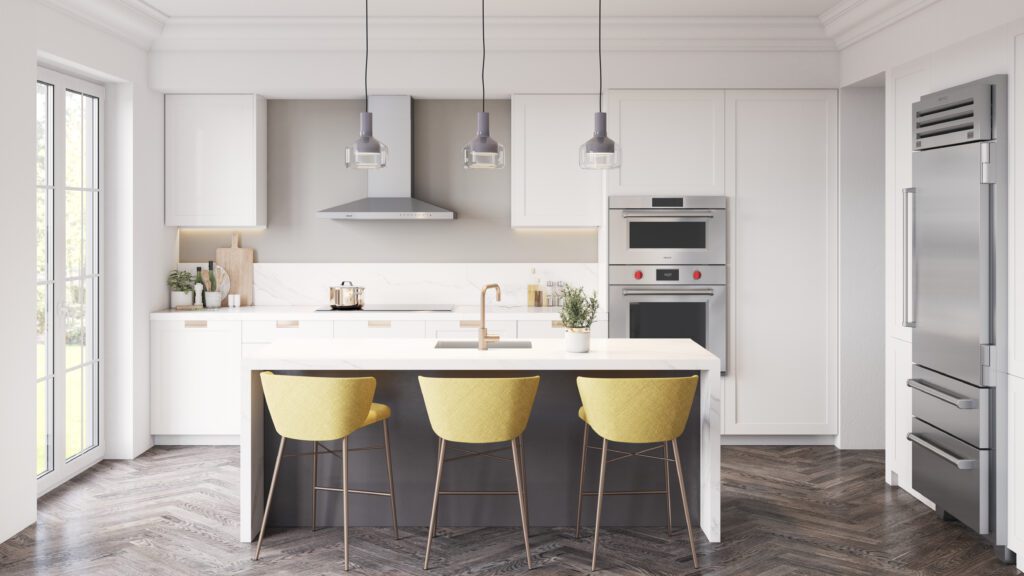
• Wall-mounted hoods for linear cooking setups
• Island hoods for central cooking zones
• Ventilation inserts for concealed cabinetry
• Downdraft systems where overhead hoods are not feasible
Each configuration affects airflow capture and design integration differently.

- Consider Ducting and Structural Constraints Early
Ventilation performance depends heavily on duct planning.
Early coordination should address:
• Duct length and direction
• Structural beam interference
• Ceiling heights
• External venting paths
Late adjustments can reduce airflow efficiency or require visual compromises.
- Account for Open-Plan Layouts
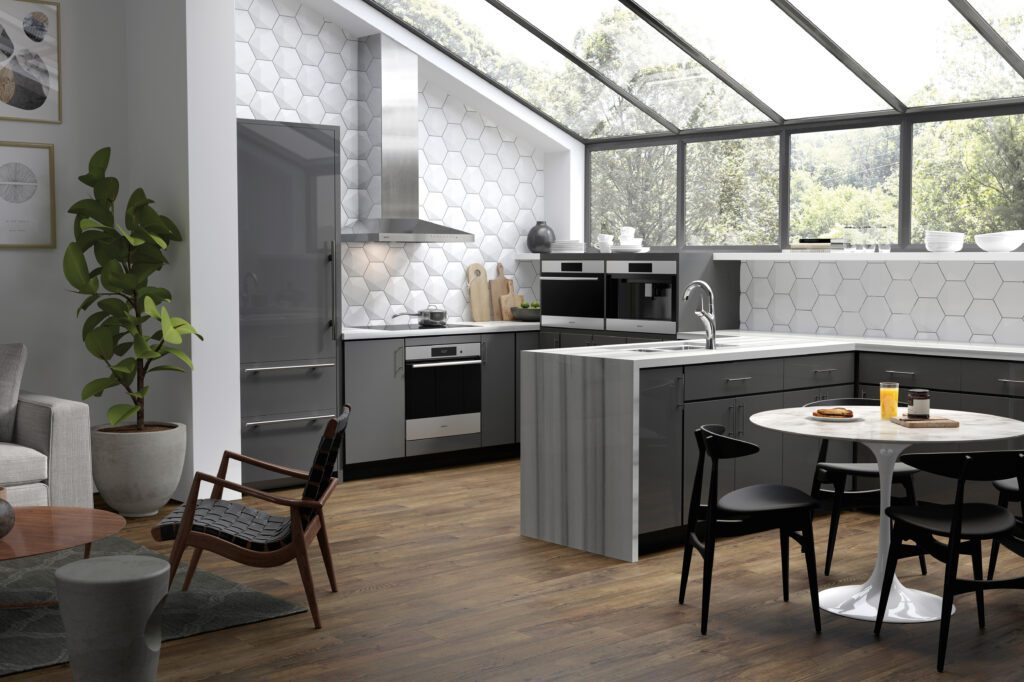
In open kitchens, ventilation has added responsibility.
Planning should consider:
• Preventing heat accumulation in adjacent living spaces
• Managing strong aromas
• Maintaining visual clarity during cooking
Proper airflow control improves comfort and preserves the open-plan experience.
- Balance Performance and Noise
Higher airflow levels can increase sound. Designers must balance capture efficiency with acoustic comfort.
Key considerations include:
• Appropriate blower selection
• Placement relative to seating areas
• User control flexibility
Ventilation should support cooking without overwhelming the surrounding space.
- Coordinate with Cabinetry and Aesthetic Goals
Ventilation must integrate seamlessly with cabinetry and overall design language.
Early decisions affect:
• Hood width and alignment
• Surrounding cabinet dimensions
• Clearance requirements
• Visual prominence or concealment
Coordinating these elements early prevents compromises during installation.
Conclusion
Ventilation planning is foundational in high-heat Indian kitchens. In a Sub-Zero Wolf kitchen, airflow, heat management, and structural coordination are addressed from the outset. Proper ventilation planning ensures cooking performance, comfort, and design harmony are maintained over time.