Introduction
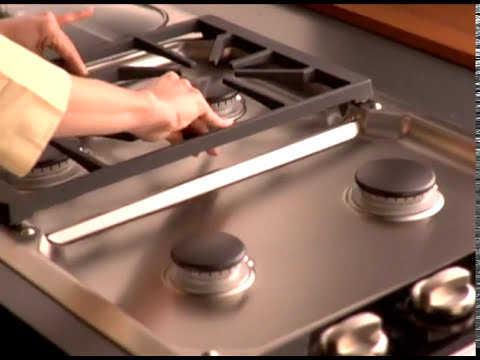
Many kitchens are described as “luxury” based on finishes, materials, and visual appeal. While aesthetics play an important role, a truly high-performing kitchen is defined by how well it supports daily use over time. A Sub-Zero Wolf kitchen is designed differently. It is planned as a connected system where food preservation, cooking, and ventilation work together rather than as individual appliance decisions.
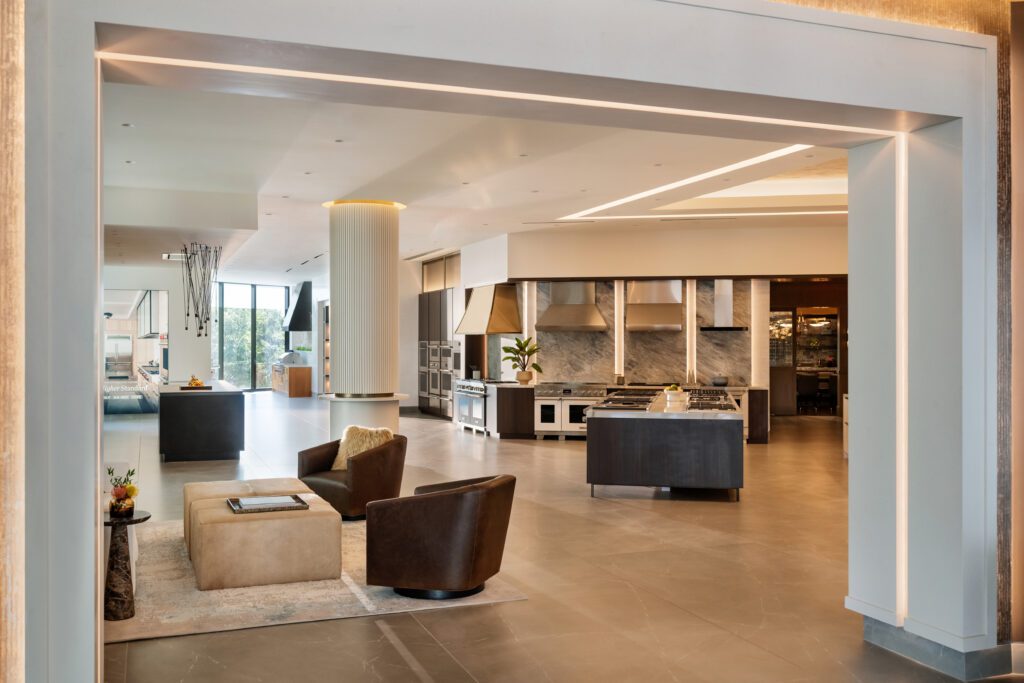
This approach goes beyond selecting premium products. It focuses on how ingredients are stored, prepared, cooked, and maintained in real residential environments.
- From Appliances to a System
In a typical luxury kitchen, refrigeration, cooking, and ventilation are often chosen separately. Each appliance may perform well on its own, but they are not always designed to function as a unified whole.
A Sub-Zero Wolf kitchen is planned as an ecosystem. Refrigeration is considered alongside cooking methods. Ventilation is treated as a functional requirement rather than an afterthought. Appliance placement is guided by workflow, not just symmetry.
This system-based thinking is what separates a Sub-Zero Wolf kitchen from a visually premium but performance-fragmented space.
- Food Preservation and Cooking Are Designed Together
Food quality begins before cooking starts. How ingredients are stored directly affects how they behave during preparation and cooking.
In a Sub-Zero Wolf kitchen, refrigeration and cooking are complementary. Consistent temperature control, humidity management, and ingredient stability allow cooking appliances to perform predictably. Fresh produce, proteins, and prepared items enter the cooking process in a more controlled state, improving consistency and reducing waste.
Rather than treating refrigeration as background storage, it becomes an active part of the cooking workflow.
- Temperature, Humidity, and Airflow as Design Factors
A Sub-Zero Wolf kitchen is designed around environmental control, not just heat output.
- Temperature stability supports accurate cooking
• Humidity management protects ingredients and interiors
• Airflow management maintains comfort and clarity
Ventilation is integrated into the planning stage to support cooking intensity, especially in open-plan homes. Heat, vapour, and airborne grease are managed as part of the system rather than reacted to after installation.
This creates a kitchen environment that remains usable and comfortable even during extended cooking sessions.
- Workflow Comes Before Visual Symmetry
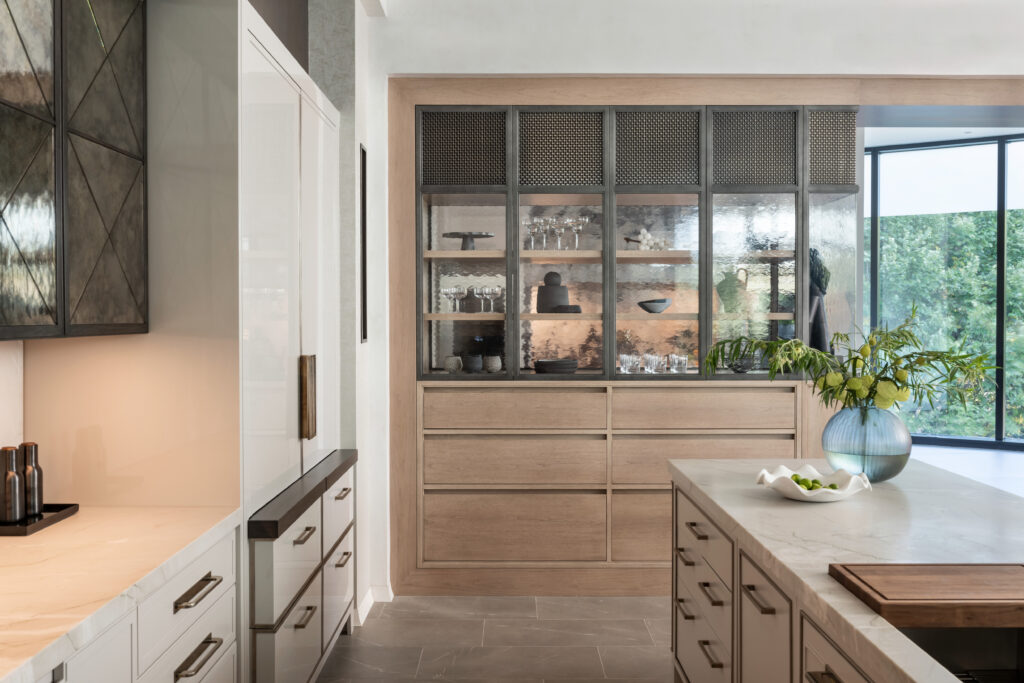
In many kitchens, appliance placement prioritises appearance over function. While this may look balanced, it often creates inefficiencies during use.
A Sub-Zero Wolf kitchen is planned around movement and sequence:
• Storage close to prep
• Prep close to cooking
• Cooking aligned with ventilation
• Reheating and holding positioned to reduce congestion
This workflow-first approach supports both daily cooking and entertaining without overloading a single zone.
- Designed for Long-Term Use, Not Short-Term Impact
Luxury kitchens often focus on first impressions. Sub-Zero Wolf kitchens focus on long-term ownership.
Design decisions account for:
• Repeated daily use
• High-heat cooking patterns
• Seasonal environmental changes
• Maintenance and service access
• Consistency over years, not just at installation
The result is a kitchen that continues to perform as intended rather than gradually losing efficiency or comfort.
- Why This Matters for Indian Homes
Indian cooking places unique demands on kitchens:
• Frequent use
• Multiple dishes prepared simultaneously
• Oil and spice-heavy cooking
• Seasonal humidity and heat
• Increasing preference for open kitchens
A system-based kitchen approach addresses these conditions more effectively than isolated appliance upgrades. By treating refrigeration, cooking, and ventilation as connected elements, a Sub-Zero Wolf kitchen supports Indian cooking habits without compromise.
Conclusion
A Sub-Zero Wolf kitchen is not defined by individual appliances or visual luxury alone. It is defined by how preservation, cooking, and airflow work together as a single, intentional system. This ecosystem approach results in better performance, improved comfort, and a kitchen that remains functional and relevant over time.
Rather than designing around products, a Sub-Zero Wolf kitchen is designed around food, workflow, and long-term use.