
Introduction
Open kitchens are now common in high-end Indian homes, often connected directly to dining and living areas. While this layout enhances visual continuity and social interaction, it also increases the importance of correct appliance placement. In a Sub-Zero Wolf kitchen, workflow and zoning must be carefully planned to maintain performance, comfort, and efficiency.
This guide outlines how refrigeration, cooking, and ventilation should be positioned in open-plan environments.
- Define Clear Functional Zones
Even in open layouts, the kitchen should operate in structured zones:
- Cold storage
• Preparation
• Cooking
• Cleaning
• Holding or reheating
Appliance placement should support logical movement between these areas. Poor zoning creates congestion and disrupts cooking rhythm.
- Position Refrigeration Strategically
Refrigeration should be placed:
- Close to prep surfaces
• Accessible without crossing cooking zones
• Oriented to avoid obstructing movement
In open kitchens, refrigerator door swing and traffic flow are especially important. Proper positioning reduces interruptions during cooking and entertaining.
- Plan Cooking Zones with Ventilation in Mind
Cooking appliances generate heat, vapour, and aroma. In open kitchens, this must be managed effectively.
Key considerations:
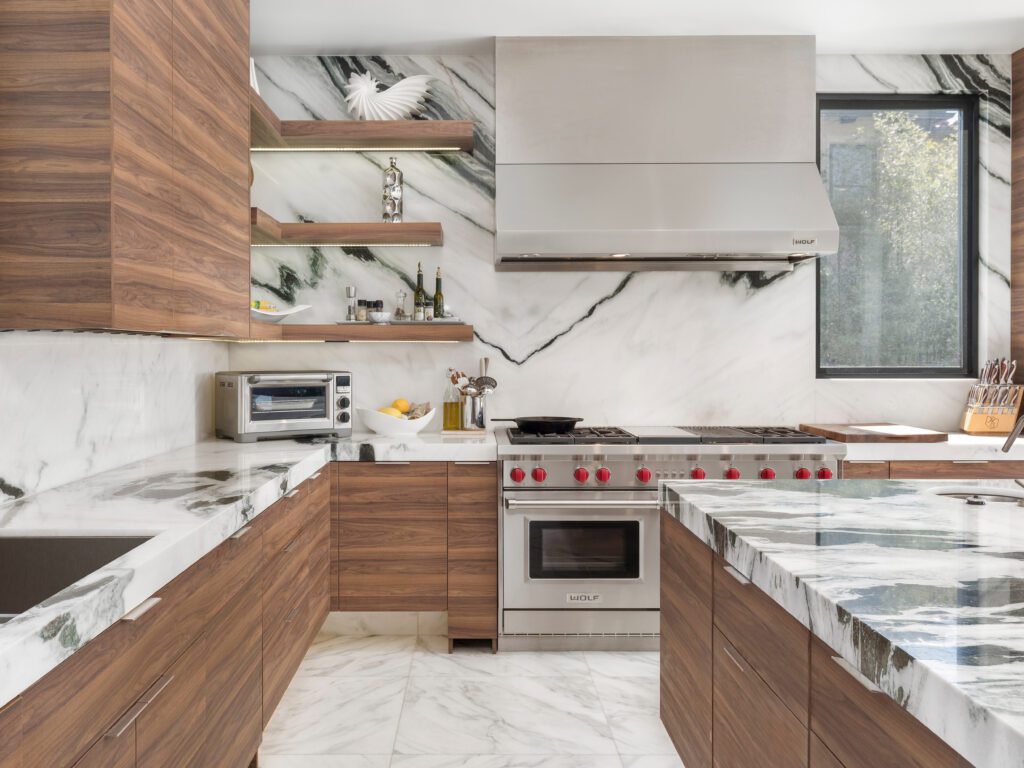
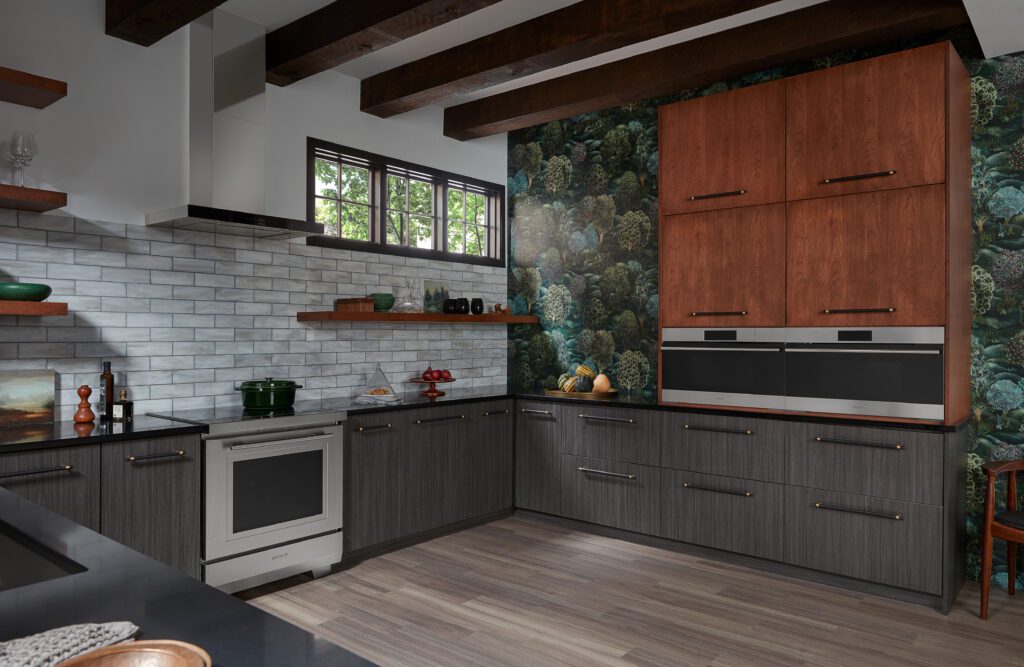
- Align cooking surfaces directly under ventilation systems
• Avoid positioning cooktops too close to seating areas
• Consider airflow direction within the open space
Ventilation planning is critical in preventing heat and odours from spreading into adjacent living areas.
- Maintain Visual Balance Without Sacrificing Function
Open kitchens often prioritise symmetry and visual alignment. However, strict symmetry should not override workflow efficiency.
Designers should ensure:
- Prep areas are not undersized
• Appliances are not placed too far apart
• Islands do not block natural movement
Function must guide layout decisions, even when aesthetics are a priority.

- Island Placement and Appliance Integration
Islands frequently house cooktops or prep sinks in open kitchens.
When placing appliances on islands:
- Ensure sufficient clearance around all sides
• Confirm ventilation compatibility
• Avoid crowding social seating areas with active cooking
Island design must balance usability and social interaction.
- Acoustic and Heat Considerations
In open kitchens, appliance sound and heat are more noticeable.
Planning should account for:
- Ventilation speed selection
• Distance between cooking zones and seating
• Circulation pathways to prevent crowding
Proper placement improves comfort during extended cooking sessions.
Conclusion
Appliance placement in open kitchens requires a balance between visual continuity and functional performance. A Sub-Zero Wolf kitchen performs best when refrigeration, cooking, and ventilation are positioned to support movement, airflow, and daily routines. Thoughtful planning ensures the open layout enhances the kitchen rather than complicates it.


