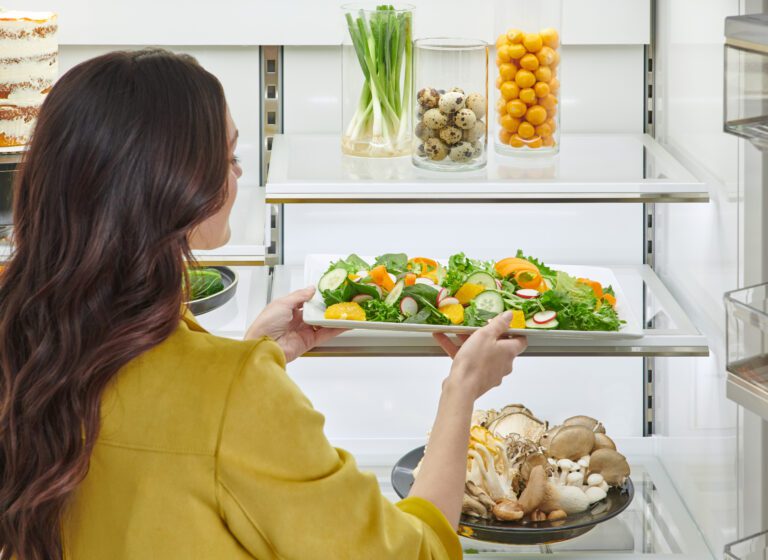
Temperature, Humidity and Airflow: The Science Behind a Sub-Zero Wolf Kitchen
Introduction
A kitchen’s performance is shaped not only by the appliances within it, but by the environment they create together. Temperature stability, humidity control, and airflow directly influence food quality, cooking results, and day-to-day comfort. In a Sub-Zero Wolf kitchen, these factors are considered early in the design process and treated as interconnected elements of a single system.
- Temperature Stability as a Foundation
Temperature consistency is critical at every stage of the kitchen workflow.
In refrigeration, stable temperatures protect ingredient structure and freshness. During cooking, controlled heat allows predictable outcomes. Between these stages, limiting exposure to fluctuating ambient temperatures helps ingredients behave consistently.
A Sub-Zero Wolf kitchen is designed to minimise unnecessary temperature swings by aligning storage, preparation, and cooking zones logically. This reduces stress on both ingredients and appliances.
- The Role of Humidity in Food and Kitchen Performance
Humidity is often overlooked, yet it directly affects food texture and storage quality.
Proper humidity control supports:
• Produce retaining moisture and structure
• Reduced dehydration of stored foods
• Better consistency during cooking and reheating
In kitchens where humidity is unmanaged, ingredients may dry out or behave unpredictably once heat is applied. A system-based approach recognises humidity as a design consideration rather than a secondary concern.
- Airflow Is More Than Smoke Removal
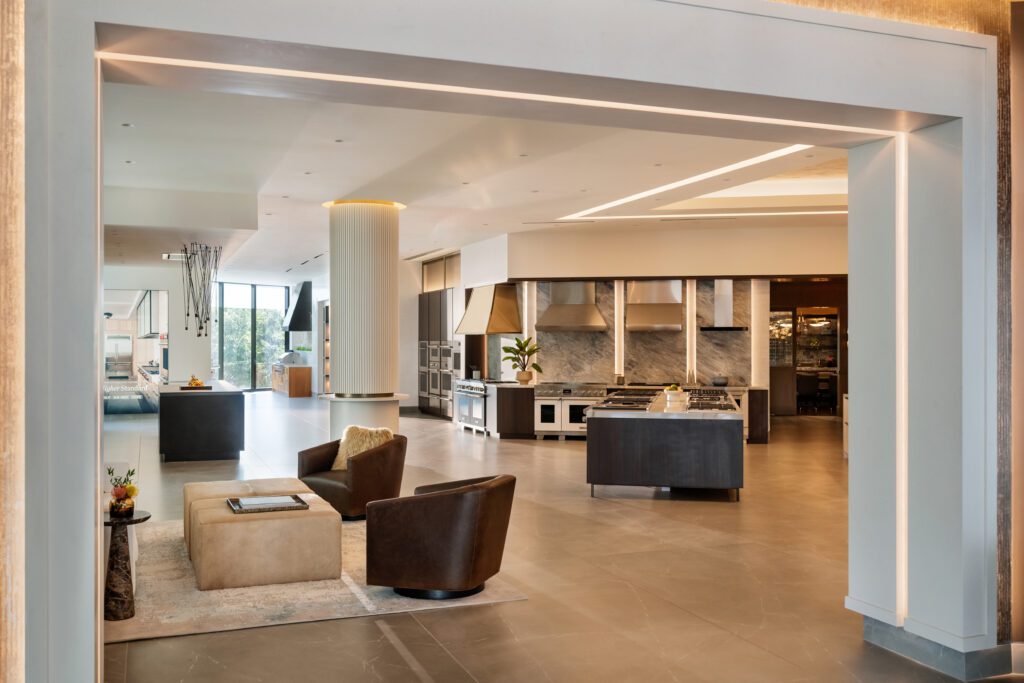
Airflow plays a broader role than simply extracting smoke.
Effective airflow helps:
• Regulate heat during extended cooking sessions
• Remove vapour and airborne grease
• Maintain visibility and comfort in open kitchens
• Protect surrounding cabinetry and finishes
In a Sub-Zero Wolf kitchen, ventilation is planned to support cooking intensity and layout rather than being added as a last step.
- How These Elements Work Together
Temperature, humidity, and airflow are interdependent.
For example:
• Stable refrigeration supports predictable cooking behaviour
• Controlled humidity preserves ingredient quality
• Proper airflow prevents heat and moisture buildup
When these factors are balanced, appliances perform within optimal conditions and the kitchen remains comfortable even during demanding use.
- Why This Matters in Indian Homes
Indian kitchens experience:
• Frequent high-heat cooking
• Oil and spice-heavy preparations
• Seasonal humidity changes
• Increasingly open-plan layouts
Without system-level planning, these conditions can lead to discomfort and inconsistent results. By addressing temperature, humidity, and airflow together, a Sub-Zero Wolf kitchen supports Indian cooking habits more effectively.
- Designing for Consistency Over Time
Environmental factors change throughout the day and across seasons. Kitchens that perform well over time are those designed with flexibility and balance rather than rigid assumptions.
A Sub-Zero Wolf kitchen anticipates:
• Extended cooking sessions
• Multiple dishes prepared simultaneously
• Long-term daily use
This results in a space that maintains performance rather than gradually losing efficiency.
Conclusion
The defining strength of a Sub-Zero Wolf kitchen lies in its environmental balance. By treating temperature stability, humidity control, and airflow as a unified system, the kitchen supports ingredient quality, cooking precision, and everyday comfort.
This scientific, system-based approach is what allows Sub-Zero and Wolf kitchens to perform reliably beyond visual luxury.